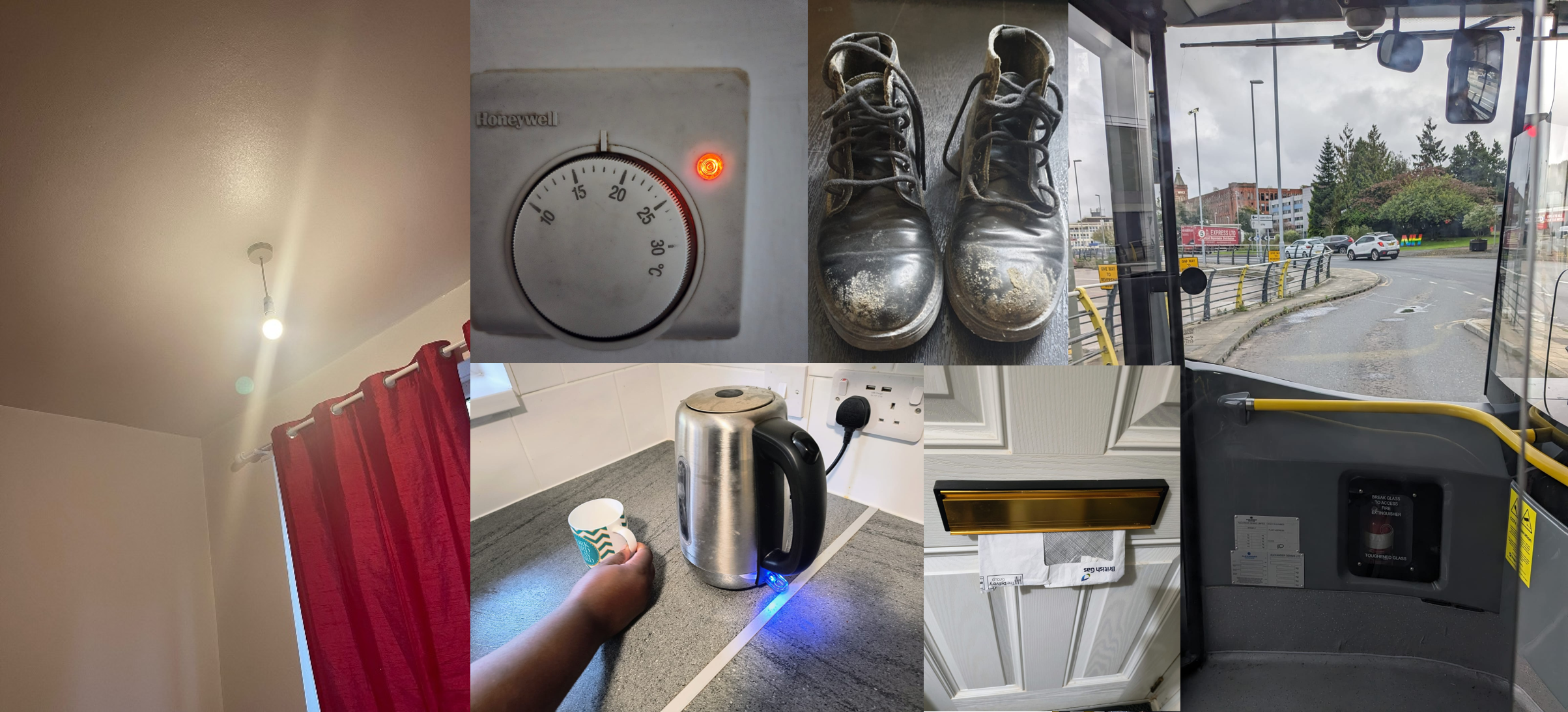
Read this new policy brief by PPERC Research Assistant, Manon Burbidge, stemming from her PhD research project, supervised by Stefan Bouzarovski, Karen Lucas and Saskia Warren. The brief presents policy-relevant findings regarding energy-related hardships and fuel poverty faced by refugees living in England, once they have left the asylum system.
Refugees living in England are well-documented as living on below-average incomes, being overrepresented in poor quality housing, and susceptible to high energy bills and utilities debt. These factors increase a person’s vulnerability to fuel poverty, the inability to obtain
adequate, safe and affordable energy services to meet material needs. Fuel poverty is harmful to both physical and mental health, with a range of adverse effects upon educational attainment, job prospects and social inclusion.
Despite their heightened vulnerability, refugees are largely absent from energy demand, fuel poverty and inclusive
energy transitions policy. Refugees are not currently recognised as a vulnerable group within the UK fuel poverty strategy, neither are refugees’ energy needs accounted for by the Home Office Indicators of Integration framework. This absence is particularly notable given the substantial increase in domestic energy prices and broader cost of living in the UK since 2022, and in light of ongoing inflammatory political debates around asylum and migration.
The aim of the research therefore was to examine the social and political drivers of fuel poverty among refugees living in England, its impacts upon their everyday lives, and its broader implications for social inclusion and
resettlement outcomes. Looking at the national level, as well as the case study sites of London, Greater Manchester and Calderdale, West Yorkshire, the project employed a multimethod qualitative approach to data
collection. This included 27 lived experience interviews with refugees, 42 interviews with professionals and
volunteers working across fuel poverty, asylum, and the housing sector, observations of advice and support sessions, and a participatory photography project.

